

The Museum of Commerce hosts the exhibition «Historias para no olvidar», a tribute to Chicho Ibáñez Serrador
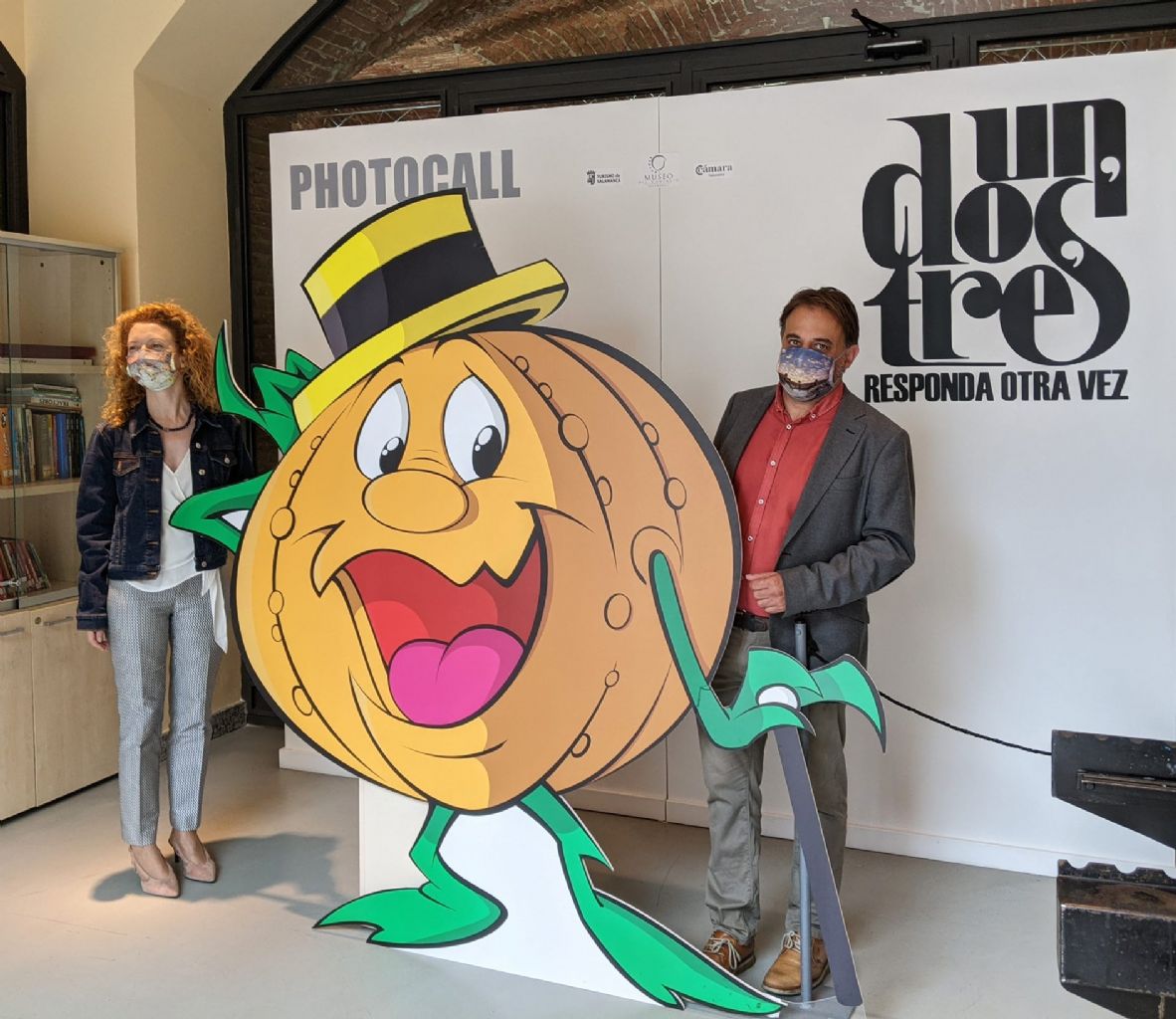
Alejandro Ibánez Nauta, son of who was one of the emblematic figures in the world of audiovisual communication, has organized this exhibition, curated by Carlos Urrutia and featuring Diego Barrero as director of photography.
The exhibition reviews his theatrical and cinematographic work, his beginnings in the art of acting, and merchandise from ‘Un, Dos, Tres… responda otra vez’, his most popular legacy.
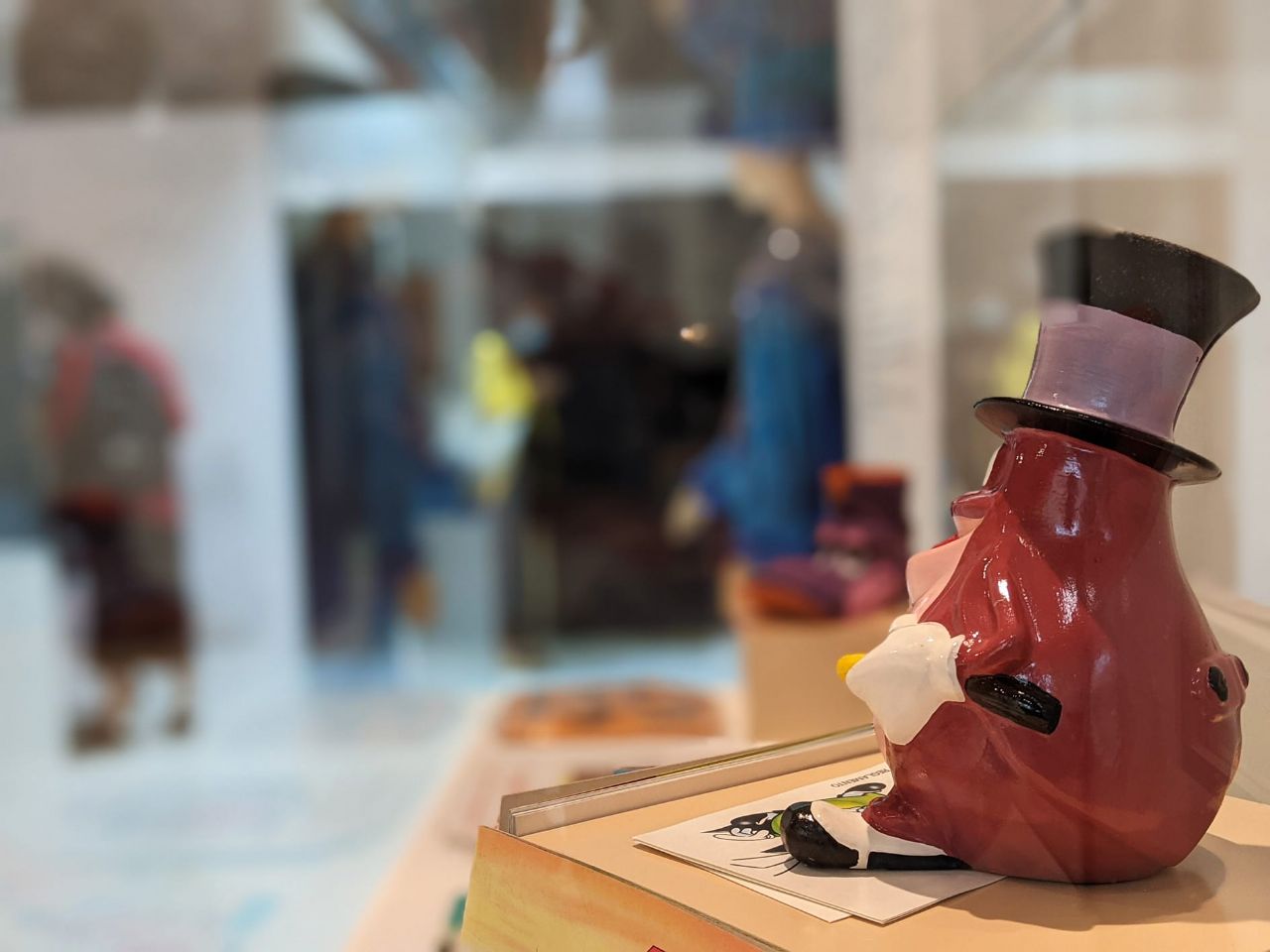
It includes unreleased photographic material, with never-before-seen photos from his first film, ‘La Residencia’, and figurines created by Vitín Cortezo, one of the best costume designers in the history of Spanish cinema and theater
The First Deputy Mayor of the City Council, Ana Suárez, and the Councilor for Tourism, Fernando Castaño, attended today at the Museum of Commerce and Industry of Salamanca the inauguration of the exhibition ‘Historias para no olvidar’, a tribute to Narciso ‘Chicho’ Ibáñez Serrador. Chicho's son, Alejandro Ibáñez Nauta, a film director, has organized this exhibition, curated by Carlos Urrutia and featuring Diego Barrero as director of photography.
The exhibition is a tribute to the personal and professional career of Narciso Ibáñez Serrador, one of the emblematic figures in the field of audiovisual communication that this country has had over the last fifty years.
The exhibition tour has been divided into three rooms: the first is dedicated to his theatrical and cinematographic work. The second brings us closer to the person, showing his beginnings in the art of acting and his first scripts. And the third room displays what was his most popular legacy working for Televisión Española: the game show ‘Un dos, tres… responda otra vez’.
‘Historias para no olvidar’ offers a journey from his beginnings in theater alongside his mother, Pepita Serrador, his first original text ‘Obsesión’, recently found and restored (it was believed lost), unreleased photographs from his adolescence, as well as his first professional actor's card.
The unreleased photographic material plays a fundamental role in the exhibition. Display cases with never-before-seen photos from his first film ‘La Residencia’ (1969), hand programs from it, as well as figurines created by Vitín Cortezo, one of the best costume designers in the history of Spanish cinema and theater.
“Who Can Kill a Child”, Chicho's second film in 1976, also holds a place of honor with its original script which, curiously, does not have the same title as the film.
To speak of Narciso Ibáñez Serrador is to speak of the most important game show in TVE's history. The ‘Un, Dos, Tres…responda otra vez’ is linked not only to Chicho's career, but also to that of several generations who discovered new worlds through the show, and had fun with the comedians, with never-before-seen musical performances, and shouted when contestants won the car, the apartment… or 100,000 wooden clothespins!
In the exhibition “Historias para no olvidar” we will be able to discover all the merchandise from this emblematic game show throughout its history, starting in 1972 and ending in its last stage in 2004, original costumes from various programs, 10 Stages, 411 programs that accompanied us throughout our lives.
Additionally, a fourth space has been set up where various documentaries are screened featuring interviews with film and theater personalities recalling Chicho Ibáñez Serrador and his work.
The exhibition, which comes to Salamanca on the initiative of Salamanca Film Commission and Prointel, the production company founded by the honoree and now directed by his son Alejandro, will be open to the public until October 31.
Emblematic Figure
Born in Uruguay to actor parents, he who seemed destined to be just another figure on the scene settled in Spain and went much further: all the fields in which he collaborated were transformed in his wake. Narciso Ibáñez Serrador was an sporadic playwright on stage, but always prominent (‘Approved in Innocence’, ‘The Eagle and the Mist’...), although in reality he never stopped writing a single day or night: for television, for cinema, for magazines... He read more than anyone, directed more than anyone, and always conveyed the feeling that there was still much more to do, that he still had much more to offer us.
He brought the highest fantasy (Poe, Bradbury, Twilight Zone) to television with his Historias para no dormir, thereby boosting a whole generation of young genre writers in our country (Buiza, Garci, Tébar, Plans) who found in him the support to make themselves known.
He delved into terror on the big screen, and eclectically brought us some of the masterpieces of Spanish cinema, such as ‘La Residencia’ and ‘Who Can Kill a Child?’ And he knew how to show us that the small screen was the ideal place for experimentation and fun, hand in hand, and for the education of the viewer themselves.
Pioneering programs like ‘Waku Waku’ or ‘Let's Talk About Sex’ were conceived to entertain and inform children and adults; ‘The Traffic Light’ humorously explored the possibilities of live shows for new talents.
And ‘Un, Dos, Tres…’ was the opera omnia where everything could fit and did fit (game show, comedy, musical, interaction), an unmissable event for all of Spain, which saw suspense, fun, and hope deposited in that mythical program.
These are just some of the most notable examples of an entire existence dedicated to the viewer, to invention in the service of society and its improvement, to the flight of creative imagination and authorship at its best.