
Salamanca Museum of Commerce and Industry
Welcome to the Museum
The museum aims to research, preserve, and disseminate everything related to the city's trade and industry. To achieve this, we work in five areas of interest.
-
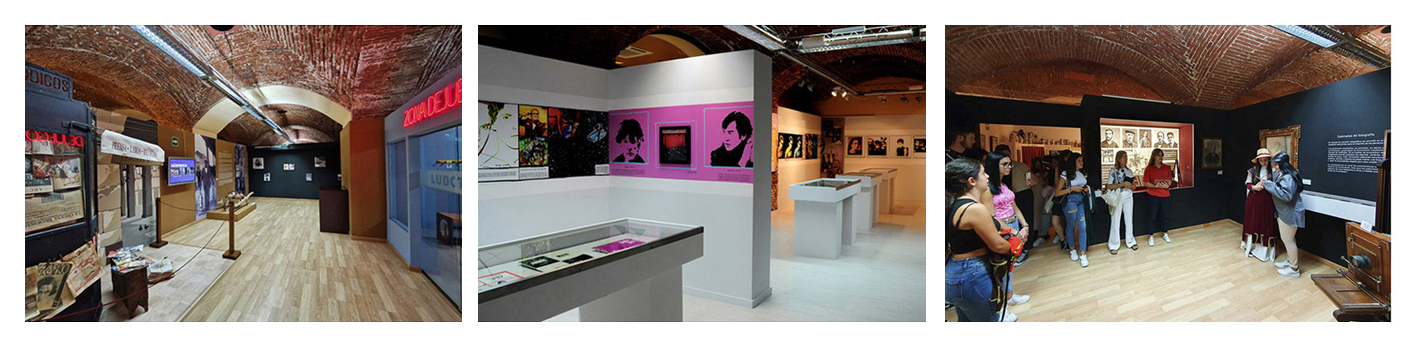
Permanent Exhibitions: We have two stable displays, History of Trade and Industry in Salamanca and The Sounds of Yesterday. Agustín de Castro Collection. Both exhibitions are in need of improvements; musealization of pieces, canvases, or complete rooms along their routes.
-
Temporary Exhibitions: At least four exhibitions of this type are held annually. Some notable examples include; "Magic and Gold. An exhibition on traditional and designer jewelry in Salamanca and its province", "Circumvolar Faces of La Armuña", "Enter. The Video Game Revolution", "Rafael Basulí and commercial decoration in Salamanca (1945-1970)", etc.
-
Didactics: To facilitate the understanding of both permanent exhibitions, adapted educational programs have been developed for each educational stage; Early Childhood, Primary, Secondary, Baccalaureate, and Vocational Training. The dramatizations of visits are celebrated, which, through period costumes, make users become an active part of the experience.
-
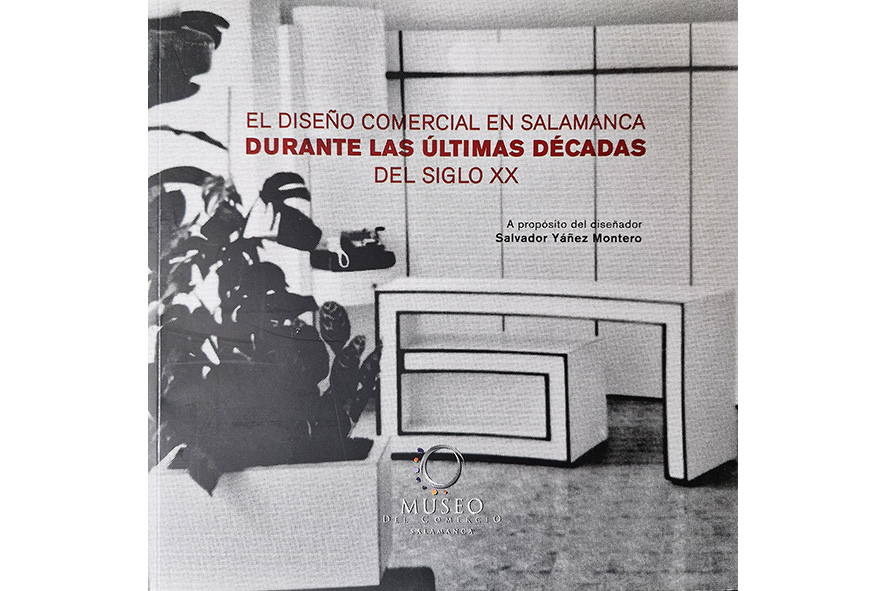
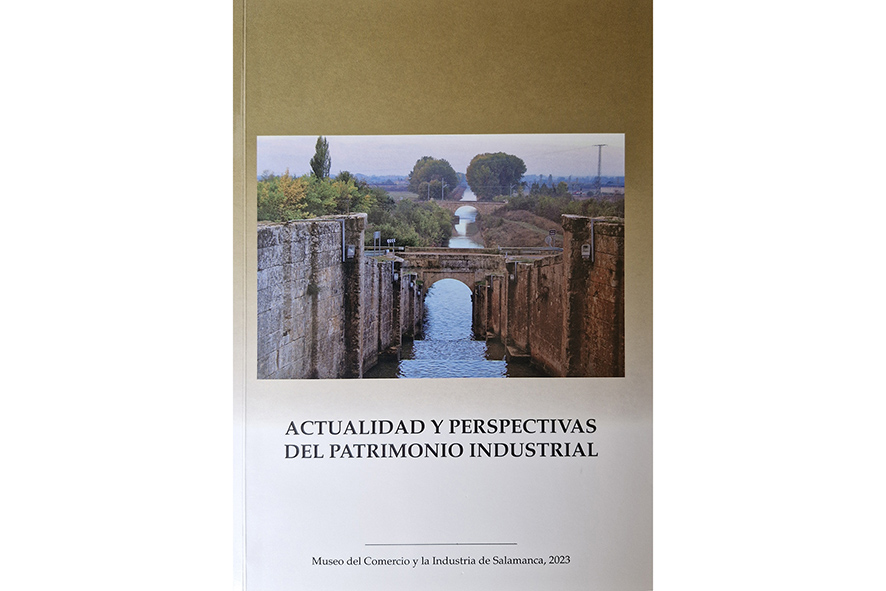
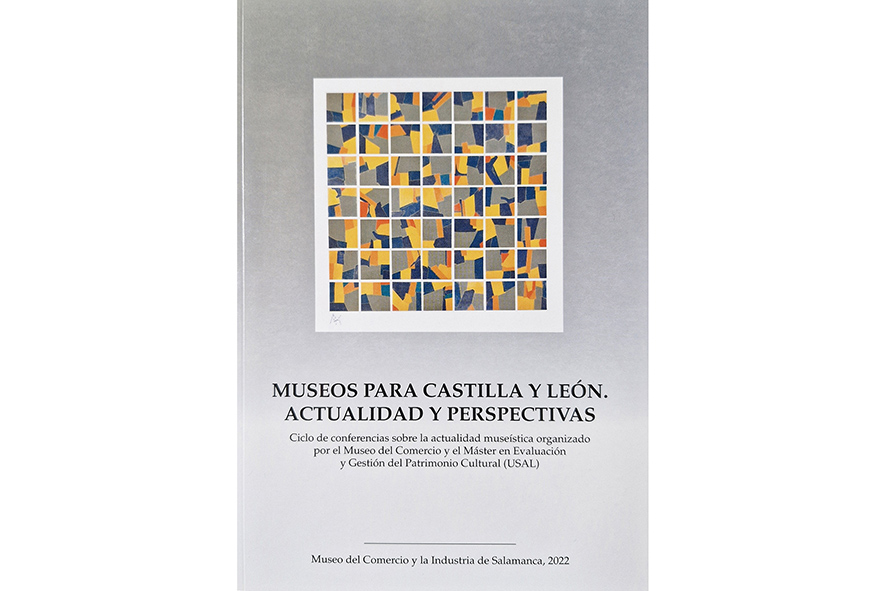
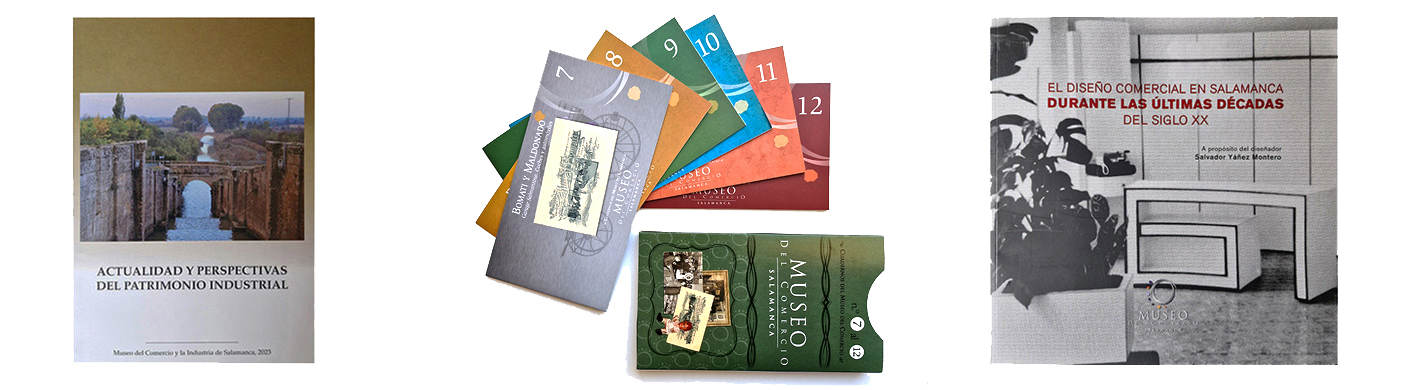
Publications: We release two notebooks on the History of Trade and Industry in Salamanca annually. These notebooks are usually acquired by a loyal audience that collects them. The Proceedings of the Conferences on Heritage are produced biennially in collaboration with the USAL Master's in Heritage. Finally, catalogs of some exhibitions and monographic topics are also subject to publication.
-
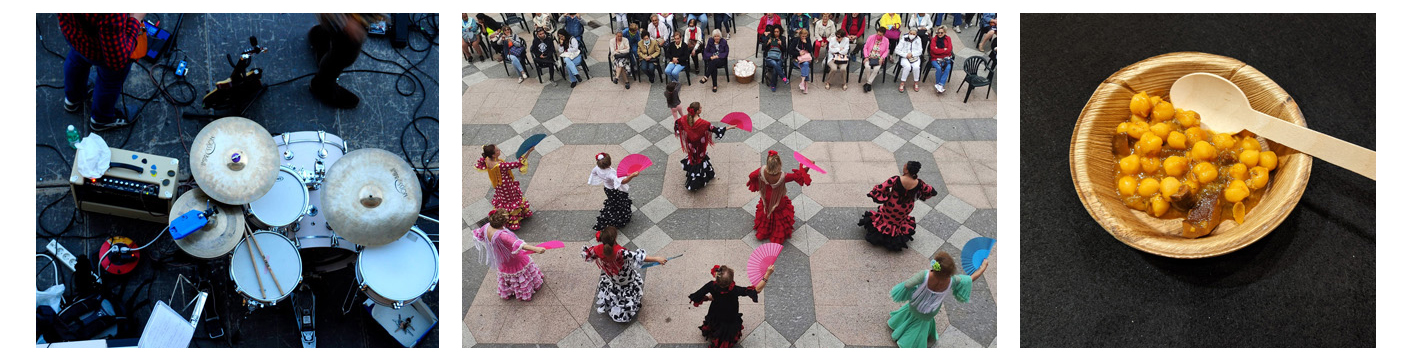
Activities: Workshops, conferences, showcooking, neighborhood cinema, fairs, parades, etc., enrich the museum's activity throughout the year.


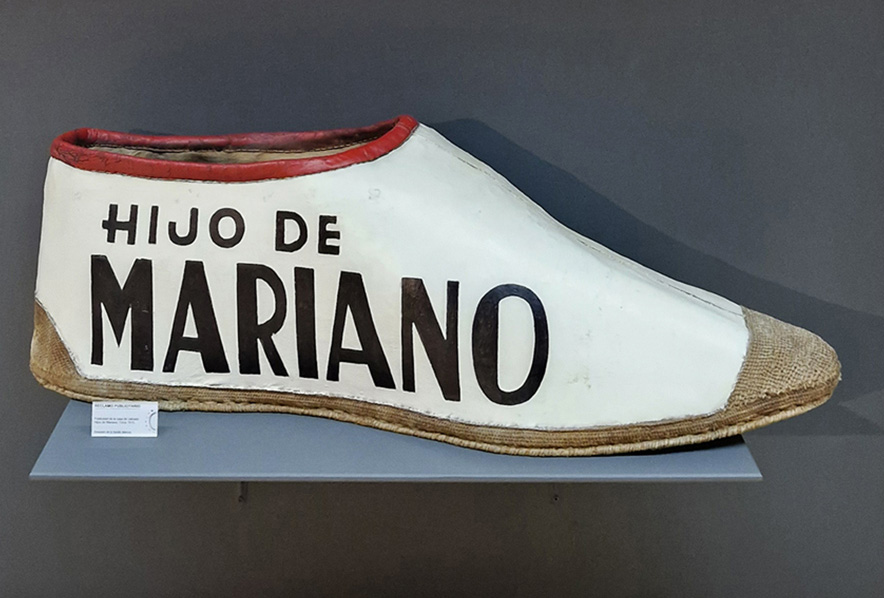
ADVERTISING PROMOTIONAL ITEM. HIJOS DE MARIANO. CIRCA 1925
Espadrille made of leather, esparto, wood, and fabric. Measurements, 110cm x 35cm x 30cm. 1920s. Unknown artisan. Donation from the Marcos family
Both pieces, the tin sign and the espadrille, have been recently restored by Isabel Pantaleón
Advertising has always been a great ally of commercial activities. On occasion, some advertisements became icons of a brand or even a hallmark of a street.
At the beginning of the 20th century, the Marcos family's rope store opened its doors. The shop supplied citizens of the province with ropes, hats, staffs, and slippers for decades. They came to run three stores on San Justo Street, under the trade name, Hijo de Mariano Marcos.
The espadrille was hung every morning on the facade of one of the stores and put away at the end of the day.
We thank Paco Marcos and Javier Prado for their sensitivity shown towards commercial heritage and for considering the Museum of Commerce as the ideal location for this piece of Salamanca's commercial history. Also, to Ignacio Francia for providing us with the photographs of Cuesta de San Justo and completing the story with his text.